Neuromarketing is no longer just a futuristic promise. It is a reality that is radically transforming the way brands understand and influence their consumers. But while this discipline has already revolutionised traditional marketing, its future looks even more spectacular. Between marketing AI, virtual reality advertising, and advances in consumer neuroscience, we are witnessing the emergence of a completely unprecedented marketing ecosystem.
For business leaders, CMOs, and marketing decision-makers, understanding these developments is no longer optional. It is a strategic necessity. Because while some organisations are still hesitating, others are already leveraging these technologies to create relevant customer experiences. The question is no longer whether you should pay attention, but how you will integrate these innovations into your strategy.
When Artificial Intelligence Meets Neuroscience
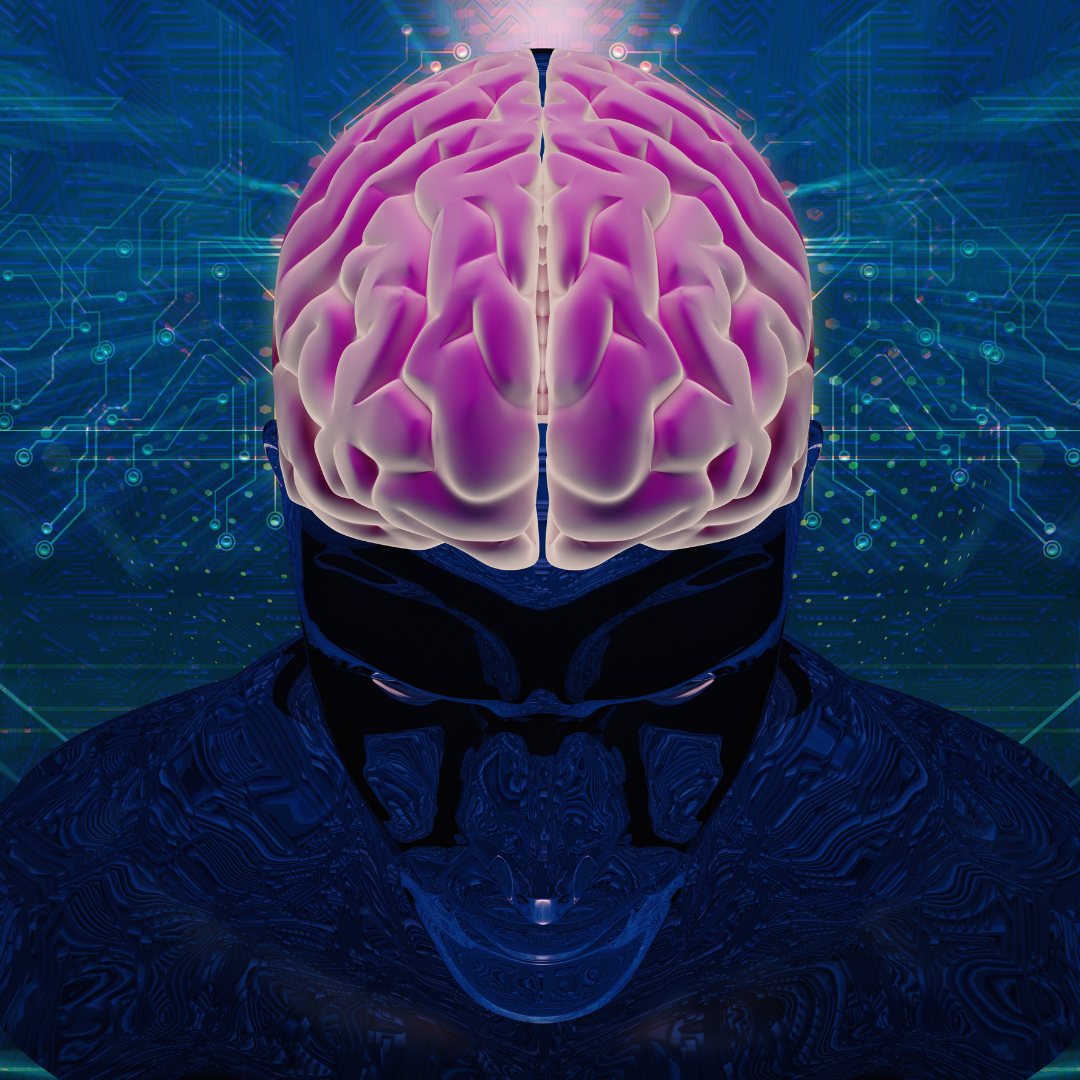
The alliance between AI and neuromarketing is arguably the most profound revolution marketing has seen since the advent of digital. This technological convergence is radically transforming our ability to understand, predict, and influence purchasing behaviour.
Next-Generation Predictive Marketing
Artificial intelligence in marketing no longer simply analyses superficial behavioural data. It now dives into the neurological mechanisms that precede the purchase decision. Machine learning algorithms can today identify emotional patterns invisible to the human eye by cross-referencing millions of neurophysiological data points.
Concretely, imagine a system capable of analysing in real time the brain responses of thousands of consumers to your advertising campaigns. The AI instantly detects which visual elements, which messages, which colour combinations generate the most purchase-favourable brain activation. It then automatically adjusts your creatives to maximise their emotional impact.
This approach goes far beyond simple A/B testing. We are talking about predictive marketing capable of anticipating emotional reactions even before a campaign is launched. Some companies are already using digital twins of their audiences, AI models trained on real neuromarketing data, to virtually test hundreds of creative variants.
Cognitive Hyperpersonalisation
The Holy Grail of marketing has always been perfect personalisation. AI combined with consumer neuroscience is bringing us dangerously close to it. Current systems can now create individual cognitive profiles, identifying not only what you like, but why your brain likes it.
These profiles go infinitely further than traditional marketing personas. They map your specific emotional triggers, your dominant cognitive biases, your decision-making patterns. The result: marketing messages that speak directly to each individual’s limbic system, bypassing rational defences with formidable effectiveness.
For a CMO, this means being able to simultaneously deploy thousands of variations of a single campaign, each optimised for the neurological profile of an ultra-precise segment. The era of a single message broadcast en masse is definitively over.
htmlThe AI × Neuromarketing Alliance
Artificial Intelligence
Predictive analysis & optimisation
Neuroscience
Brain responses & emotions
New Marketing Capabilities
Anticipate reactions before launch
Messages tailored to cognitive profile
Real-time campaign adjustment
Understanding the neurological “why”
The convergence revolutionising modern marketing
Virtual Reality: The Emotional Laboratory of the Future
Virtual reality opens up possibilities that neuroscientists didn’t even dare imagine ten years ago. It creates controlled environments where every variable can be manipulated to understand its emotional and cognitive impact.
Immersive Experiences to Measure the Impossible
In a VR context, researchers can recreate any point of sale, any purchasing situation, and observe brain responses in near-real conditions. Unlike traditional laboratory studies, VR generates authentic emotional responses because the brain processes these experiences as largely real.
Major brands are already using this technology to test retail concepts before a single physical store is built. They place consumers equipped with EEG headsets in virtual shops and observe where their attention naturally falls, which layouts generate the most engagement, which atmospheres trigger the emotions most conducive to buying.
The advantage is enormous: you can test a hundred different configurations of the same space in a week, identify the one that optimises the customer journey at the neurological level, then physically deploy only the winning solution. The return on investment of this approach far exceeds traditional methods.
Immersive Advertising as a New Standard
But VR doesn’t just serve testing purposes. It is progressively becoming a full advertising channel in its own right. Immersive brand experiences create emotional connections of an intensity impossible to replicate through traditional media.
When a consumer experiences a brand in VR, their brain encodes that memory with the same emotional richness as a genuinely lived event. Neuroscience shows us that these immersive memories generate significantly stronger and more lasting brand attachment.
For B2B companies as well, this technology transforms product demonstration. Rather than showing PowerPoint slides, imagine immersing your prospects in a simulation where they directly experience the benefits of your solution. The impact on memorisation and conviction surpasses anything traditional marketing can achieve.
The New Technological Frontiers of Neuromarketing
Beyond AI and VR, other innovations are redrawing the contours of neuromarketing. These emerging technologies promise to push even further the limits of what we thought possible.
Brain-Computer Interfaces Enter the Game
Brain-computer interfaces (BCIs) are gradually moving out of research laboratories. Although mass adoption is still some way off, certain marketing applications are beginning to emerge. Non-invasive devices can already detect attention, emotional engagement, and even certain purchase intentions directly from brain activity.
Imagine a future where your e-commerce site adapts in real time to a visitor’s brain signals. If sensors detect confusion, the interface instantly simplifies. If emotional engagement weakens, the content adjusts to recapture attention. This continuous neurological feedback loop could optimise the user experience at a level never before achieved.
Semantic Emotional Analysis
Advances in natural language processing now make it possible to analyse not only what consumers say, but the underlying emotional and cognitive states. By combining this semantic analysis with neuromarketing data, brands can understand with unprecedented precision how their messaging resonates emotionally.
This technology identifies words, sentence structures, and metaphors that specifically activate the brain’s reward centres. It enables the writing of advertising messages literally designed to maximise their neurological impact. Every term is chosen not for its rational meaning, but for its ability to trigger the desired emotional response.
The Technologies of Tomorrow
New frontiers of neuromarketing in 2025
Virtual Reality & Augmented Reality
Immersive environments to test and measure emotional reactions under real-world conditions
Brain-Computer Interfaces (BCI)
Direct detection of attention and purchase intent through real-time brain activity
Continuous Emotional Biometrics
Real-time emotion measurement via connected devices in the consumer’s natural context
Semantic Emotional Analysis
Language processing to identify messages that activate the brain’s reward centres
The Ethical and Regulatory Challenges of Tomorrow
With such power comes immense responsibility. The future of neuromarketing raises ethical questions that the industry cannot ignore without risking major regulatory backlash.
The Line Between Persuasion and Manipulation
Where do you draw the line between legitimate influence and cognitive manipulation? When marketing directly exploits the neurological vulnerabilities of the human brain, this question becomes urgent. Consumer neuroscience reveals levers of influence that completely bypass conscious judgement.
Regulators are starting to take these practices seriously. Several European countries are already studying regulatory frameworks specific to neuromarketing. Companies that anticipate these developments and voluntarily adopt ethical safeguards will be well-positioned relative to less scrupulous competitors.
For a responsible business leader, the question is not purely legal. It touches on the very identity of the company. What type of relationship do you want to build with your customers? One based on the sophisticated manipulation of their cognitive weaknesses, or on a deep understanding that allows you to better serve their real needs?
Protecting Neurological Data
Brain data is arguably the most intimate information that exists. It reveals our emotions, our prejudices, our unconscious desires, our psychological vulnerabilities. Its protection should logically exceed that of simple behavioural data.
Yet no solid legal framework specifically governs neuromarketing data yet. The GDPR covers certain aspects but remains largely insufficient given the specificities of neurological information. Companies collecting this data must anticipate inevitable regulatory tightening.
Transparency will likely become mandatory. Consumers will need to be explicitly informed when neuromarketing techniques are being used and have the right to access their neurological data. Organisations that adopt these practices now will earn public trust and avoid damaging scandals.
How to Prepare Your Organisation for This Revolution
Faced with these profound transformations, inaction is not a viable option. Companies that integrate these technologies into their marketing strategy now will gain a lead that will be difficult to close.
Invest in Hybrid Skills
The neuromarketing of the future will require teams combining marketing expertise, scientific understanding, and technological mastery. Start recruiting or training hybrid profiles capable of navigating all three worlds. A marketer who understands neuroscience will make radically different, and more effective decisions.
Collaborate with universities and neuroscience research centres. These partnerships provide access to the latest discoveries before they go mainstream, and allow for testing innovative approaches in controlled settings. According to Harvard Business Review, companies that invest in a scientific understanding of consumer behaviour significantly outperform their competitors.
Test, Measure, Iterate
Don’t wait for the perfect solution before getting started. Launch pilots with technologies available today. Test eye-tracking on your website, experiment with facial emotion analysis at your points of sale, use AI tools to optimise your advertising creatives.
Every experiment will teach you something about your customers that your competitors don’t yet know. This cumulative knowledge will progressively create a major competitive advantage. Neuromarketing is not a one-off project but an organisational capability to develop over time.
Build a Solid Ethical Framework
Establish right now the ethical principles that will guide your use of neuromarketing. This approach is not only moral, it is strategic. Scandals linked to psychological manipulation can destroy a brand within days.
Involve your legal teams, ethics officers, and senior leaders in this reflection. Create ethics committees that evaluate every new neuromarketing practice before deployment. This governance will protect you against drift and reinforce your customers’ trust.
FAQ: The Future of Neuromarketing, Decoded
How does artificial intelligence concretely improve neuromarketing? Marketing AI transforms neuromarketing by enabling the analysis of volumes of neurological data impossible to process manually. Machine learning algorithms identify subtle emotional patterns in brain responses, predict reactions to new campaigns, and automatically optimise messages to maximise their neurological impact. This predictive analytical capability drastically reduces testing costs and significantly improves the ROI of marketing investments.
Is virtual reality really effective for understanding consumers? Absolutely. VR advertising generates authentic emotional responses because the brain processes these immersive experiences as largely real. Studies show that memories formed in VR have the same emotional richness as genuinely lived events. For neuromarketing, this means being able to test purchasing situations in near-real conditions, precisely control every variable, and measure neurological reactions with a precision impossible in the physical world.
What are the main ethical risks of advanced neuromarketing? The primary risks concern cognitive manipulation and the protection of intimate data. By directly exploiting the neurological vulnerabilities of the brain, neuromarketing can cross the line from legitimate persuasion to manipulation. Brain data reveals our emotions, biases, and unconscious desires, raising major privacy concerns. Companies must establish strict ethical safeguards and anticipate inevitable regulatory tightening to avoid scandals and maintain consumer trust.
What impact will predictive marketing have on marketing professions? Predictive marketing based on consumer neuroscience will profoundly transform marketing roles. Analysis and optimisation tasks will be largely automated by AI, freeing marketers to focus on creative strategy and innovation. Skills in data science, neuroscience, and ethics will become as important as traditional marketing skills. Organisations that anticipate this evolution by upskilling their teams in hybrid competencies will gain a decisive advantage over their competitors.