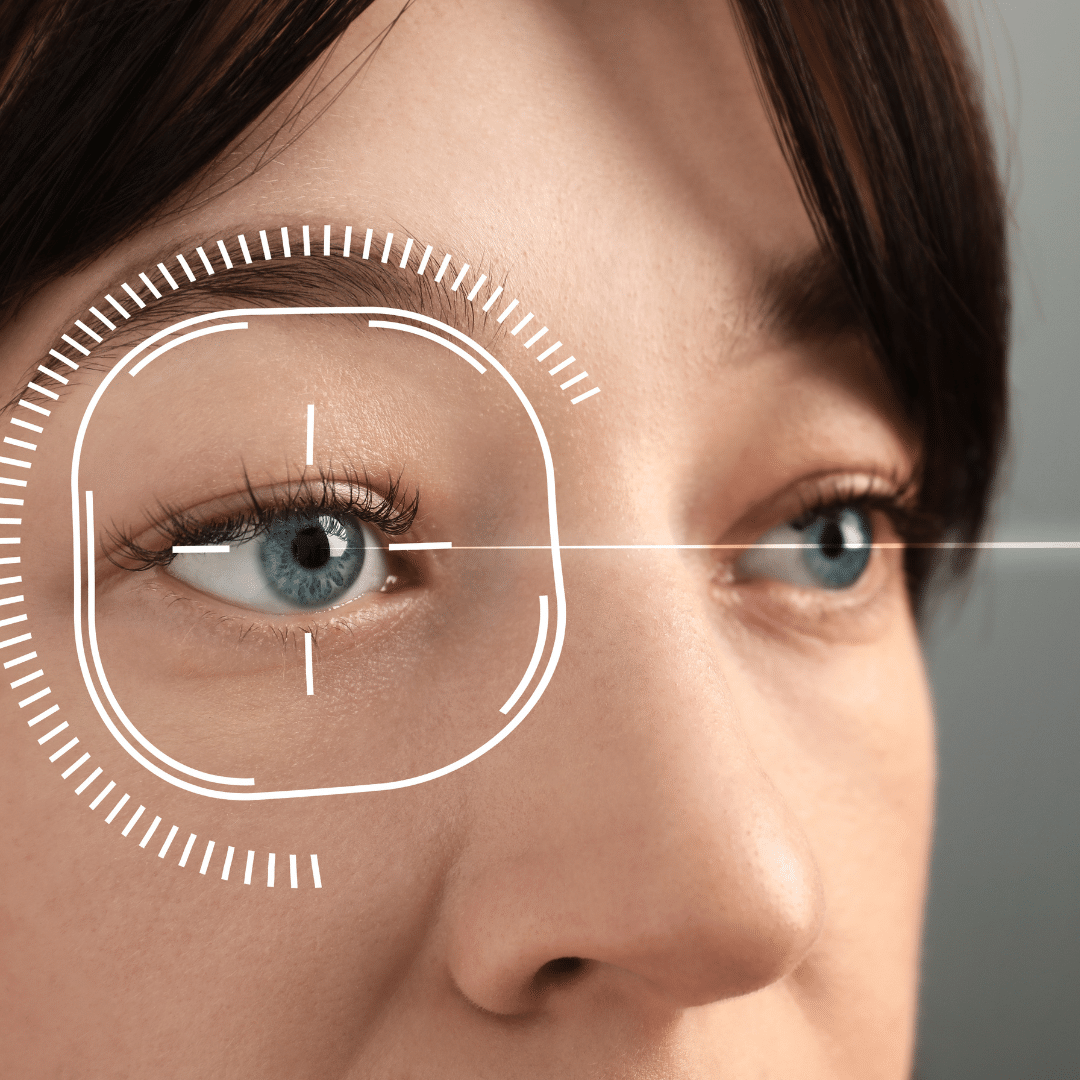
Imagine being able to read your customers’ minds. Knowing exactly what captures their attention on your website, what triggers their emotions when they see your ad, or what actually drives them to click “Buy.” No, this isn’t science fiction. It’s neuromarketing, and it relies on technologies that measure what words can’t always express: the unconscious reactions of the human brain.
In a world where 95% of purchasing decisions are made unconsciously, understanding these hidden mechanisms becomes a major competitive advantage. Neuromarketing tools decode the invisible signals your audience sends without even realising it.
Today, we demystify the four technological pillars of neuromarketing: eye-tracking, functional MRI, electroencephalography (EEG), and galvanic skin response (GSR). No complicated scientific jargon, just a clear look at how these tools concretely transform the way brands understand and serve their customers.
Eye-Tracking: Following the Gaze to Understand Attention
How does eye-tracking work?
Eye-tracking is probably the most accessible and widely used tool in neuromarketing. The concept? Precisely tracking where a person’s gaze lands, how long they focus on an element, and in what order they visually explore content.
In practice, infrared cameras detect eye movements and fixation points. Some devices resemble glasses; others sit in front of a screen. The technology has become so accessible that eye-tracking solutions are now integrated into standard webcams or even some high-end smartphones.
What makes eye-tracking particularly valuable for customer behaviour analysis is its ability to reveal real attention, not declared attention. In a traditional focus group, a participant might claim they noticed your logo. Eye-tracking might show they never looked at it once.
Practical applications in digital marketing
For an e-commerce site, eye-tracking reveals the hot and cold zones on your pages. Find out that 80% of visitors never see your bright red call-to-action button? Time to reposition it. Notice that users spend 5 seconds on a product image but only 0.3 seconds on the description? Your visuals may not be informative enough.
In physical retail, eye-tracking helps optimise shelf layouts and packaging. A major cereal brand discovered through this technology that consumers looked at the character on the box first, then the brand name, and only then the nutritional information. This visual hierarchy completely reoriented their packaging design strategy.
For digital advertising, eye-tracking lets you test different versions of a banner or video before launching a campaign. You identify which elements genuinely capture attention, which are ignored, and adjust accordingly. Result: click-through rates that climb 30 to 50% after optimisation.
Known limitations
Eye-tracking only measures visual attention, not emotion or purchase intent. Just because a consumer stares at something for a long time doesn’t mean they like it — sometimes prolonged fixation simply signals confusion. That’s why neuromarketing professionals often combine eye-tracking with other measurement tools to get a complete picture.
fMRI: Diving Deep into the Brain
The scanner that reads brain activity
Functional magnetic resonance imaging (fMRI) represents the pinnacle of neuromarketing technology. This medical technique, adapted for marketing, allows real-time observation of which brain regions activate when a consumer is exposed to a stimulus: an ad, a logo, a product, a message.
The principle is based on measuring blood flow in different brain regions. When an area activates, it consumes more oxygen, which changes the magnetic properties of the blood. fMRI detects these variations with remarkable spatial precision, mapping neural activity in detail.
For neuromarketing, fMRI offers a unique advantage: it can distinguish positive emotional responses (activation of the ventromedial prefrontal cortex) from negative ones (activation of the amygdala), identify memory processes (hippocampus), and detect anticipation of pleasure (ventral striatum).
Revolutionary marketing discoveries through fMRI
One of the most famous neuromarketing studies used fMRI to compare Coca-Cola and Pepsi. In a blind test, the brain reacted similarly to both drinks. But once participants knew which brand they were drinking, the fMRI showed massive activation of memory and emotion zones for Coca-Cola. This study, published in Neuron, scientifically proved the power of branding on our choices beyond the simple taste of the product.
Another application involves pricing. Researchers found that when a price is perceived as too high, the insula (the area associated with pain) activates. Conversely, a good deal stimulates the reward system. These insights allow for highly precise pricing strategy adjustments.
For advertising campaigns, fMRI helps predict real-world effectiveness. Researchers scanned the brains of a few dozen people as they watched Super Bowl ads, then compared this data with actual sales figures weeks later. Result: brain activation predicted sales better than participants’ conscious statements.
Why fMRI remains a niche tool
Let’s be honest: fMRI is not accessible to every company. A single session can cost several thousand euros, not counting the investment in time and expertise. The setup also imposes constraints: participants must remain still inside a noisy scanner, which limits the realism of test conditions.
This is why fMRI is primarily used for major strategic decisions: rebranding a multinational company, launching a high-investment product, or validating ad concepts for XXL-budget campaigns. For SMEs and smaller businesses, other neuromarketing tools offer a better cost-effectiveness ratio.
The 4 Pillars of Neuromarketing
Eye-Tracking
Tracks the visual path and gaze fixation points
✓ Accessible & Portable
MRI (fMRI)
Maps brain activity with spatial precision
✓ Maximal precision
EEG
Measures brainwaves in real time via electrodes
✓ Real tim & Mobile
GSR
Detects emotional reactions via skin conductivity
✓ Authentic Emotions
95% of purchasing decisions are unconscious
EEG: Decoding Brainwaves in Real Time
Neuromarketing’s portable technology
Electroencephalography (EEG) measures the brain’s electrical activity via electrodes placed on the scalp. Unlike fMRI, which requires a multi-tonne machine, EEG uses a lightweight, portable, sometimes wireless headset. This mobility opens fascinating possibilities for customer behaviour analysis in real-world environments.
EEG captures the electrical fluctuations produced by communicating neurons, analysed across different frequencies (alpha, beta, theta, delta waves), each associated with specific mental states: concentration, relaxation, emotional engagement, cognitive load, and more.
For neuromarketing, EEG excels at measuring engagement and mental load. It can detect in real time whether an advertising message is cognitively overloading the viewer, whether a website is generating frustration, or whether an in-store experience is creating positive excitement.
Practical EEG applications in marketing
In gaming and entertainment, EEG allows testing of player engagement level by level. A publisher can precisely identify moments when attention drops or frustration rises, then adjust difficulty or pacing accordingly.
For TV or digital advertising, EEG measures engagement second by second. You discover exactly which moments of your spot genuinely capture attention, and which ones cause mental disengagement. This data enables sharper edits, keeping only sequences with strong brain activation.
In retail, some brands equip customer panels with EEG headsets to map the in-store journey. Which zones generate excitement? Where does boredom set in? These insights radically transform store layouts and merchandising.
A particularly interesting use case is UX design. By combining EEG and eye-tracking, teams can identify not only where a user is looking but also their mental state at each navigation step. A frustration spike detected on a form page? That’s the signal to simplify the process.
EEG as the smart compromise
EEG sits at the sweet spot of neuromarketing: more affordable than fMRI, richer in insights than eye-tracking alone. Device costs have dropped considerably in recent years, making the technology accessible even for mid-range marketing budgets.
Granted, EEG’s spatial resolution is lower than fMRI’s, you can’t pinpoint exactly which micro-region of the brain is activating. But for most marketing applications, that level of detail isn’t necessary. What matters is knowing whether your audience is engaged, emotionally invested, and cognitively comfortable with your message.
GSR: Measuring Emotions Just Beneath the Skin
Galvanic skin response explained simply
GSR (Galvanic Skin Response), also called electrodermal activity, measures micro-variations in the skin’s electrical conductivity. The principle is simple: when we feel an emotion, our autonomic nervous system triggers a slight perspiration response, even one imperceptible to our conscious awareness. This perspiration changes the skin’s ability to conduct electricity.
Sensors placed on the fingers or wrist detect these variations in real time. An increase in conductivity signals emotional activation, whether positive (excitement, joy) or negative (stress, fear). This is the same principle used in lie detectors, adapted here to understand emotional reactions to marketing stimuli.
GSR is particularly valuable because it captures authentic reactions that participants cannot control or conceal. In a traditional survey, someone might claim an ad left them indifferent. GSR, however, might reveal an emotional activation spike at a precise moment in the spot.
Concrete GSR uses in customer behaviour analysis
When testing ads, GSR identifies high emotional-impact moments. A car brand discovered that it wasn’t the vehicle’s performance that generated the most emotion in their commercial, but the shot showing a happy family. This revelation completely recentred their storytelling around family values rather than technical specifications.
In e-commerce, GSR can be used to test the purchase funnel. A stress increase detected at the payment stage may signal friction: too many options, insufficient security reassurance, or a form that’s too long. These insights help optimise the experience to reduce cart abandonment.
For events and brand experiences, GSR captures the emotional intensity experienced by attendees. A trade show organiser can map the emotional highlights of their event and replicate those winning ingredients at future editions.
Combining GSR with eye-tracking creates a powerful synergy: you know not only where your audience is looking, but also what’s triggering an emotional response. This combination has become a standard in neuromarketing labs.
Limitations and complementarity with other tools
The main limitation of GSR is that it measures emotional intensity but not valence (positive or negative). A GSR spike could mean joyful excitement or fear, enthusiasm or anger. That’s why professionals always combine GSR with other methods: facial analysis, EEG, or qualitative post-test questions.
Another consideration: GSR is sensitive to many external factors (room temperature, ambient stress, time of day). Test protocols must be rigorously controlled to obtain reliable data.
Combining Neuromarketing Tools to Maximise Insights
The power of the multimodal approach
The real magic of neuromarketing happens when you combine multiple technologies. Each tool captures a different dimension of the consumer experience: eye-tracking reveals attention, EEG measures cognitive engagement, GSR detects emotional activation, and fMRI maps deeper brain mechanisms.
A concrete example: you’re testing a new homepage. Eye-tracking shows visitors watch your intro video first (good sign), EEG indicates high engagement for the first 10 seconds then a drop-off (needs fixing), and GSR reveals an emotional spike at exactly 7 seconds (the moment to preserve in your edit at all costs).
Without this combination, you’d have only a partial view. With it, you get 360° understanding that guides surgical optimisations.
From Stimulus to Purchase Decision
How neuromarketing decodes the consumer’s mental journey
Stimulus Exposure
The consumer sees an ad, a packaging, a website. Eye-tracking captures where their gaze lands.
Brain Activation
The brain processes the information. fMRI and EEG measure which areas activate and with what intensity.
Emotional Response
Emotions arise (joy, stress, excitement). GSR detects these instantaneous emotional variations.
Purchase Decision
The brain decides (often unconsciously). Combined tools predict this decision before it is even made.
The multimodal approach combines these 4 tools for a 360° view of consumer behaviour
Beyond Technology: The Importance of Expertise
Powerful tools that require know-how
Owning an EEG headset or eye-tracking system doesn’t make you a neuromarketing expert, any more than owning a scalpel makes you a surgeon. Interpreting neuroscientific data requires dual expertise: understanding the neurological foundations AND mastering marketing challenges.
Does a peak of activation in the prefrontal cortex mean your message is persuasive, or that it’s generating cognitive resistance? Does a prolonged eye fixation reflect interest or confusion? These nuances make the difference between actionable insights and costly misinterpretations.
This is why calling on experienced professionals is often the best investment. They help formulate the right research questions, choose appropriate protocols, interpret results in your specific context, and, most importantly, translate those findings into concrete recommendations.
The future of neuromarketing: democratisation and ethics
Neuromarketing is no longer reserved for multinationals. Technologies are becoming more affordable, easier to use, and some are already integrated into online analytics platforms. Some SaaS solutions even offer webcam-based eye-tracking, making the technology accessible to almost any business.
This democratisation is fortunately accompanied by growing ethical reflection. Industry professionals agree on key principles: transparency with participants, informed consent, responsible use of data, and refusal of abusive manipulation. Neuromarketing aims to better understand consumers in order to serve them better, not to manipulate them against their will.
For executives, CMOs, and marketing managers, the question is no longer “should we use neuromarketing?” but rather “how do we intelligently integrate it into our research and optimisation mix?”, because your competitors are already exploring these technologies to sharpen their customer understanding and optimise performance.
FAQ: Your Questions About Neuromarketing Tools
How much does a neuromarketing study cost for an SMB?
Prices vary significantly depending on the tools used and the scope of the study. An eye-tracking analysis on a website or ad runs between €3,000 and €10,000. A full EEG study starts around €8,000–€15,000. Studies involving fMRI are generally reserved for large groups with budgets exceeding €50,000. Some specialist agencies offer modular packages to adjust investment according to your priorities.
Can neuromarketing replace traditional marketing research?
No, and that’s not its goal. Neuromarketing complements traditional methods; it doesn’t replace them. Surveys, focus groups, and qualitative interviews remain essential for understanding conscious motivations, usage contexts, and customer verbatims. Neuromarketing excels where declarative methods fall short: revealing unconscious processes, measuring automatic reactions, and detecting gaps between what people say and what they actually feel.
Do these tools work as well in B2B as in B2C?
Absolutely. Even though neuromarketing has historically been associated with B2C, its B2B applications are equally relevant. Business decision-makers are still human beings with cognitive biases and emotional reactions. Eye-tracking can optimise your sales presentations, brochures, or corporate website. EEG can test engagement during webinars or product demos. GSR can measure emotional responses at trade shows.
What concrete results can be expected from neuromarketing?
The measurable impacts are multiple and well-documented. For advertising, campaigns optimised via neuromarketing show an average 10–30% improvement in memorisation rates and 15–40% increase in purchase intent. For websites and apps, eye-tracking and EEG-based optimisation typically generates 20–50% reduction in bounce rate and 25–60% improvement in conversions. In packaging, neuromarketing-guided redesigns produce market share gains of 5–15%.
How can marketers get trained in neuromarketing?
Several options are available: short courses (2–3 days) offered by business schools or specialist organisations cover the fundamentals. More advanced certifications exist for those seeking deeper expertise. Reading reference works and following specialist conferences (such as those from the NMSBA – Neuromarketing Science & Business Association) also enrich your knowledge.